Spring marks the beginning of a critical period for hay producers across the country. As winter fades and soil temperatures begin to rise, farmers face important decisions that will determine the success of their entire hay season. Successful spring hay farming requires careful planning, proper timing, and attention to detail that sets the foundation for quality forage production.
The transition from winter to spring presents unique opportunities and challenges for hay farmers. This season offers the chance to establish new stands, improve existing fields, and implement management practices that will maximize both yield and quality throughout the growing season. Understanding the key elements of spring hay farming can make the difference between an average harvest and an exceptional one.
Essential Hay Field Preparation for Spring Success
Proper hay field preparation forms the backbone of successful spring operations. Before any seeding or fertilizing begins, farmers must assess their fields and address any issues that developed over winter. This process starts with a thorough field inspection to identify areas of concern such as winter damage, drainage problems, or weed pressure.
Soil testing should be the first priority in spring hay field preparation. Winter weather can alter soil pH and nutrient levels, making fresh soil tests essential for making informed fertilizer decisions. Take soil samples from multiple locations across each field, as nutrient levels can vary significantly even within a single pasture. The results will guide fertilizer applications and help identify any lime requirements.
Field drainage deserves special attention during spring preparation. Winter freeze-thaw cycles and spring rains can create wet spots that weren’t problematic in previous seasons. Poor drainage not only affects plant growth but also limits field access for equipment operations. Address drainage issues early in the season before they impact planting schedules or equipment movement.
Compaction from winter feeding operations or late-season harvests may require attention. Walk fields to identify compacted areas, particularly around gates, water sources, and feeding locations. Light tillage or aeration may be necessary in severely compacted areas, but avoid working wet soils that can worsen compaction problems.
Spring Seeding Hay: Timing and Best Practices
Spring seeding hay requires precise timing to ensure successful establishment. Soil temperature, not calendar date, should guide seeding decisions. Most cool-season grasses and legumes germinate best when soil temperatures consistently reach 50-55°F at a 2-inch depth. Use a soil thermometer to monitor temperatures rather than relying on air temperature alone.
Seed selection plays a crucial role in long-term success. Choose varieties adapted to your specific climate zone and intended use. Consider factors such as winter hardiness, disease resistance, and maturity timing when selecting cultivars. For mixed stands, ensure that grass and legume species are compatible in terms of growth habits and harvest timing.
Seeding depth and rate require careful attention for optimal establishment. Most hay seeds are small and should be planted shallow, typically no deeper than 1/4 to 1/2 inch. Planting too deep is a common mistake that leads to poor emergence. Calibrate seeding equipment before beginning operations and check seeding depth regularly throughout the planting process.
Seedbed preparation should create a firm, level surface with good seed-to-soil contact. Avoid over-working the soil, which can create a fine, crusty surface that inhibits emergence. A light disking or field cultivation followed by a cultipacker often provides ideal seedbed conditions for small hay seeds.
Hay Fertilizer Spring Application Guidelines
Spring fertilizer applications set the stage for the entire growing season. Base fertilizer recommendations on recent soil test results rather than general guidelines or previous year’s applications. Soil nutrient levels can change significantly from year to year, especially in fields with high production or those that received manure applications.
Nitrogen timing requires special consideration for grass-legume mixtures. Early spring nitrogen applications can give grasses a competitive advantage over legumes, potentially reducing the legume component of the stand. In established mixed stands, delay nitrogen applications until after the first cutting to avoid overwhelming legume partners.
Phosphorus and potassium applications are generally most effective when applied in early spring before active growth begins. These nutrients move slowly in the soil, so early application allows time for root uptake as plants begin rapid spring growth. Split applications may be beneficial in high-production systems or on sandy soils prone to nutrient leaching.
Micronutrient deficiencies can limit hay production even when major nutrients are adequate. Pay particular attention to sulfur, which is often deficient in hay crops. Sulfur deficiency symptoms resemble nitrogen deficiency but appear first on younger leaves. Boron deficiency can affect legume nodulation and should be addressed based on soil test recommendations.
Equipment and Maintenance Priorities
Spring equipment preparation prevents costly breakdowns during critical field operations. Create a maintenance checklist for all hay equipment and complete inspections before the busy season begins. This proactive approach saves time and reduces stress when weather windows are limited.
Mowing equipment requires thorough inspection and maintenance. Check blade sharpness and replace or sharpen as needed. Dull blades create ragged cuts that heal slowly and increase disease risk. Inspect all guards, hold-down clips, and wear plates. Replace worn components before they fail in the field.
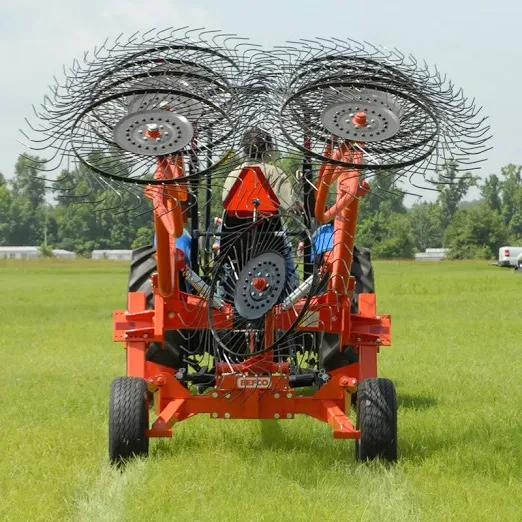
Tedding and raking equipment should receive attention to ensure proper hay handling. Check tine condition and replace bent or broken tines. Adjust rake settings according to manufacturer specifications and field conditions. Proper adjustment prevents excessive leaf loss and contamination with soil and debris.
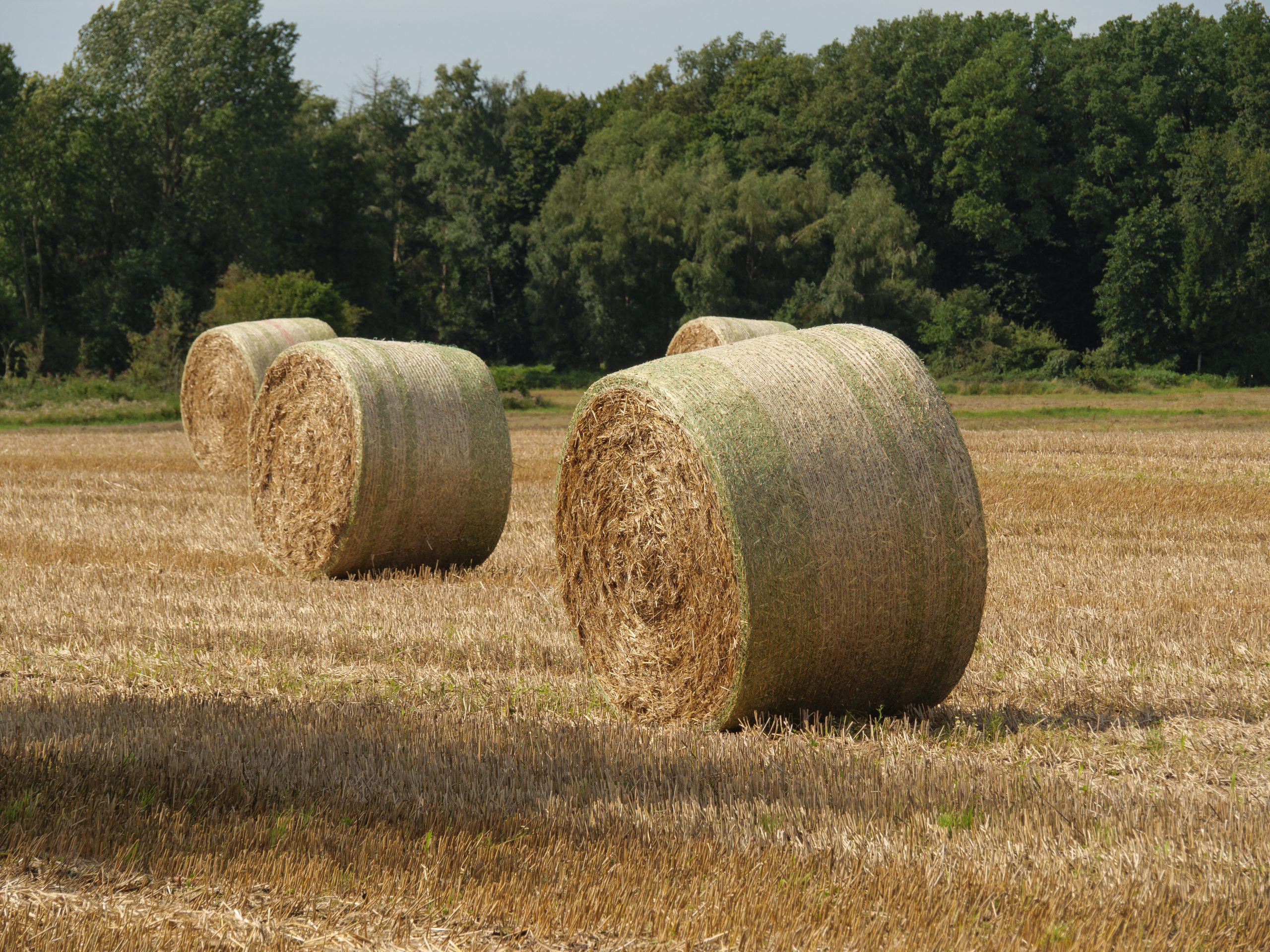
Baling equipment maintenance is critical for producing quality hay. Inspect pickup teeth, belts, and chains for wear. Check bale chamber components and replace worn parts. Calibrate moisture monitors and ensure proper operation. Well-maintained balers produce consistent, properly formed bales that store better and have higher feed value.
Weather and Timing Considerations
Spring weather patterns significantly influence hay farming success. Understanding local climate trends helps farmers make better timing decisions for field operations. Keep detailed records of weather patterns, soil conditions, and operation dates to improve future planning.
Frost risk extends well into spring in many regions. Monitor weather forecasts closely and be prepared to delay operations if frost threatens newly seeded areas. Young seedlings are particularly vulnerable to frost damage, which can set back establishment by several weeks.
Soil moisture conditions dictate when field operations can begin. Working wet soils causes compaction and poor seedbed preparation. The “squeeze test” provides a simple field assessment: squeeze a handful of soil from the working depth. If it forms a ball that doesn’t crumble when poked, the soil is too wet for field operations.
Spring rainfall patterns affect both establishment and early growth. Adequate moisture is essential for seed germination, but excessive rainfall can delay planting and create disease-favorable conditions. Plan for flexibility in operation timing and have backup plans for extended wet periods.
Pest and Weed Management Strategies
Early season pest and weed management sets the tone for the entire growing season. Spring conditions often favor certain pests and weeds, making early intervention crucial for long-term success.
Weed pressure typically peaks in spring when soil disturbance and favorable growing conditions promote germination. Pre-emergence herbicides can provide effective control when applied at the right timing. Post-emergence options may be necessary for established weeds, but timing is critical to avoid crop injury.
Insect monitoring should begin early in the season. Alfalfa weevil, armyworms, and other pests can cause significant damage to young stands. Regular field scouting helps identify problems before they reach economic thresholds. Consider beneficial insects and avoid broad-spectrum treatments that disrupt natural pest control.
Disease prevention starts with variety selection and continues with proper management practices. Choose disease-resistant varieties when available and avoid practices that promote disease development. Proper plant spacing, adequate fertility, and good air circulation help prevent many common hay diseases.
Creating Your Spring Success Timeline
Developing a spring timeline helps ensure that critical operations happen at the right time. Start planning in late winter and adjust based on actual weather conditions and field observations.
Begin soil testing 4-6 weeks before planned seeding dates to allow time for lime applications if needed. Order seeds and fertilizers early to ensure availability and avoid delays. Schedule equipment maintenance during winter months when time is less critical.
Monitor soil temperatures daily once they begin approaching the 50°F threshold. Prepare seedbeds when soil conditions allow, even if seeding will be delayed. Having fields ready allows farmers to take advantage of favorable weather windows when they occur.
Track growing degree days and plant development stages to optimize management timing. This information helps predict when first cuttings will be ready and allows for better harvest planning. Consistent record-keeping improves decision-making in future seasons.
Spring hay farming success depends on careful attention to timing, proper preparation, and proactive management. By focusing on soil health, appropriate variety selection, and timely operations, farmers can establish the foundation for a productive and profitable hay season. The investment in proper spring practices pays dividends throughout the growing season in the form of higher yields, better quality, and reduced production challenges.
Remember that every farm and every season presents unique challenges and opportunities. Adapt these general principles to your specific situation and local conditions. Successful spring hay farming combines proven practices with careful observation and timely decision-making to achieve optimal results.