Get Ready Now for Your Best Hay Harvest Yet
March is here, and for small farmers across Texas and the South, that means one thing: hay season is just around the corner. While spring might seem like it’s still finding its footing, the decisions and preparations you make right now will directly impact the quality and quantity of your hay harvest in the coming months.
At Small Farm Innovations, we’ve seen firsthand how a little preparation in March can make all the difference when it’s time to cut, bale, and store your hay. Let’s walk through some essential tasks that should be on your to-do list this month.
Inspect and Service Your Equipment
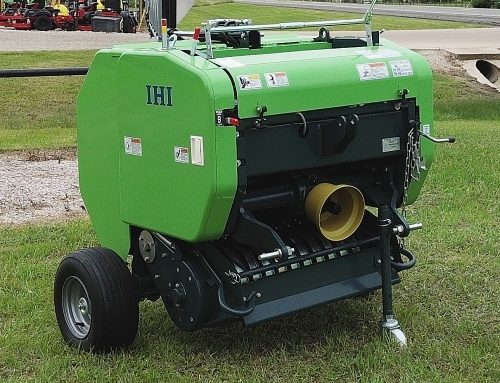
There’s nothing worse than firing up your baler on the first day of cutting season only to discover a problem that could have been fixed weeks ago. March is the perfect time to give all your haying equipment a thorough inspection.
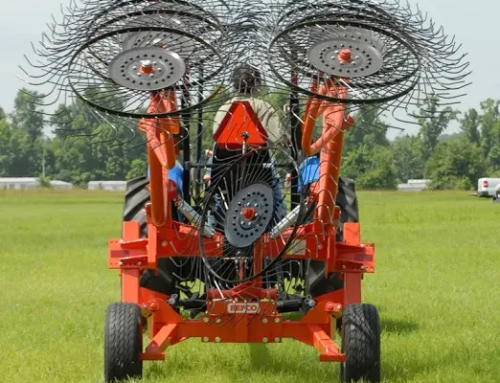
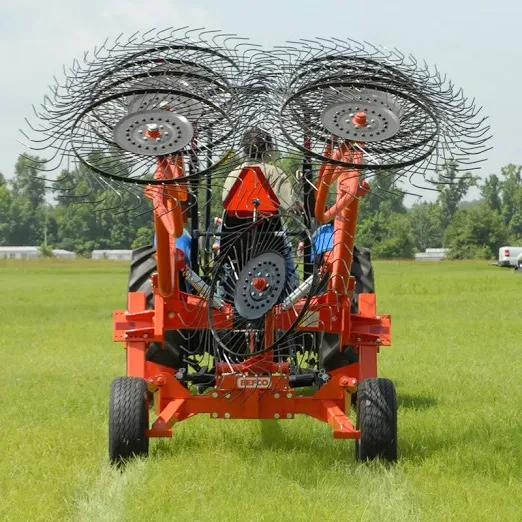
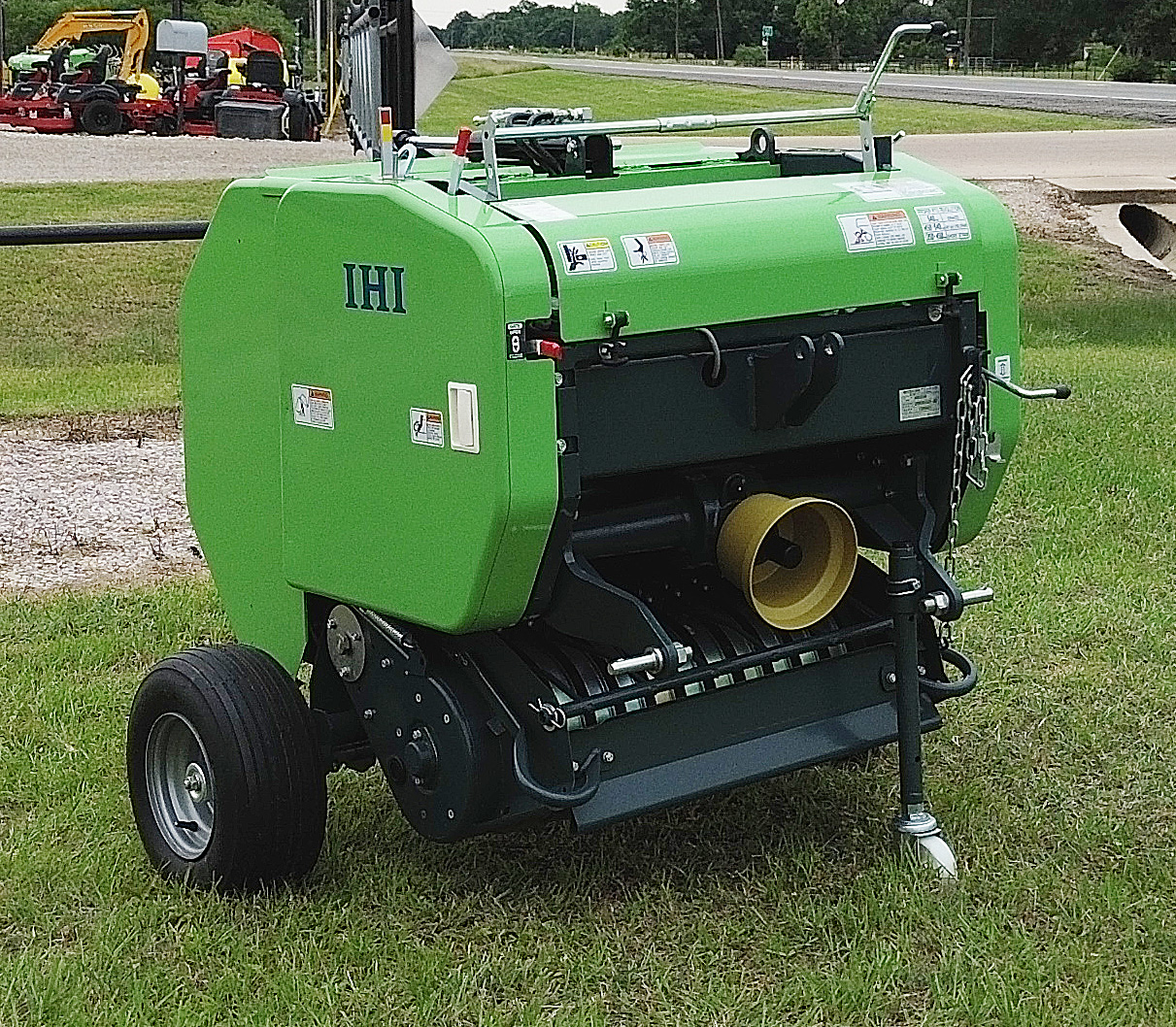
Check your mower, tedder, rake, and baler for worn parts, loose bolts, and potential issues. Look for:
- Worn or damaged belts and chains
- Hydraulic leaks or weak hoses
- Dull blades or knives that need sharpening
- Tire pressure and condition
- Grease points that need attention
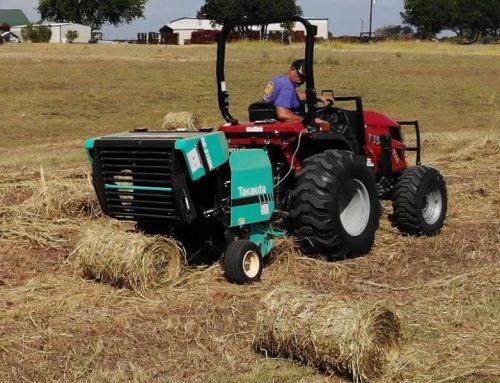
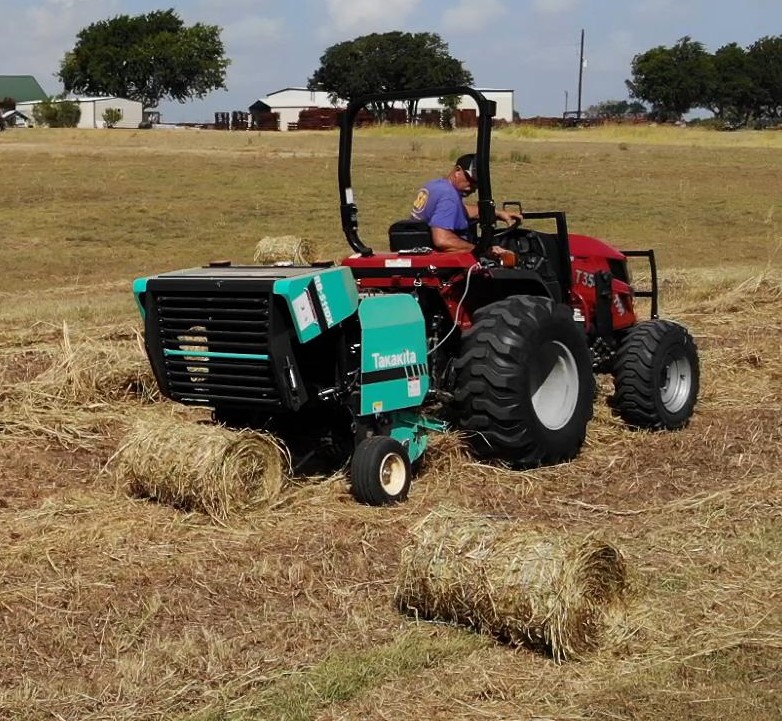
If you’re running a Takakita 3×3, Maschio Entry 120 4×4, or the 511 DX, now’s the time to make sure everything is in top shape. A few hours of maintenance now can save you days of downtime during the critical harvest window.
Don’t forget to stock up on spare parts, twine, or net wrap. Running out mid-season is a headache you don’t need.
Evaluate Your Hay Fields
Walk your fields and take note of what you’re seeing. How did your pastures survive the winter? Are there bare spots that need reseeding? Any drainage issues that showed up during recent rains?
March is an excellent time to:
- Soil test: Understanding your soil’s nutrient levels helps you make informed fertilization decisions. Most county extension offices can help with soil testing.
- Fertilize strategically: Based on your soil test results, apply fertilizer to boost growth and maximize yield. Early spring fertilization gives your hay the nutrients it needs for vigorous growth.
- Address weed problems: Identify and treat problem weeds before they get out of control. Some weeds are easier to manage early in the season.
- Overseed thin areas: If you have bare or thin spots, consider overseeding with quality forage varieties suited to your region.
Plan Your Cutting Schedule
Timing is everything in the hay business. Start thinking about when you’ll make your first cut. In Texas, first cutting often happens in late April or May, depending on your location and weather patterns.
Keep an eye on:
- Weather forecasts: You’ll need several days of dry weather for cutting and baling.
- Forage maturity: The best time to cut depends on the type of forage you’re growing. Most grasses are ideal at early bloom stage.
- Market demand: If you sell hay, start connecting with buyers now to understand what they’re looking for.
Having a flexible plan helps you move quickly when conditions are right.
Check Your Storage Situation
Where will you store your hay once it’s baled? March is the time to make sure your barn or storage area is ready. Check for:
- Roof leaks that need repair
- Adequate ventilation to prevent mold
- Proper drainage around storage areas
- Enough space for your anticipated harvest
Good storage protects your investment and ensures you can deliver quality hay to your customers or livestock.
Line Up Help
Haying is often a team effort. If you’ll need extra hands during harvest, start lining up help now. Whether it’s family members, neighbors, or hired workers, having reliable people ready to go makes the season much smoother.
Stay Connected
Finally, stay informed about weather patterns, market conditions, and best practices. Join local farming groups, follow agricultural extension resources, and connect with other farmers in your area. The farming community is full of knowledge and support—don’t hesitate to tap into it.
We’re Here to Help
At Small Farm Innovations, we’re more than just an equipment supplier—we’re your partner in farming success. If you have questions about preparing your equipment, need advice on your operation, or are considering an upgrade before hay season kicks off, give us a call. We’re here to help you make this your best season yet.
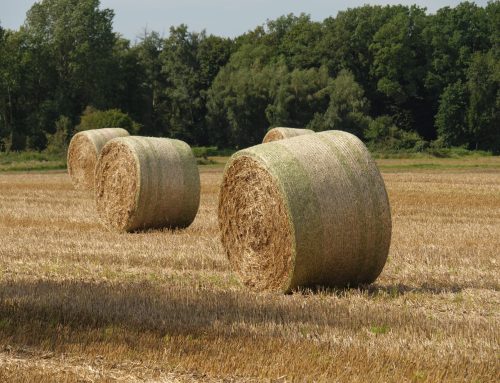
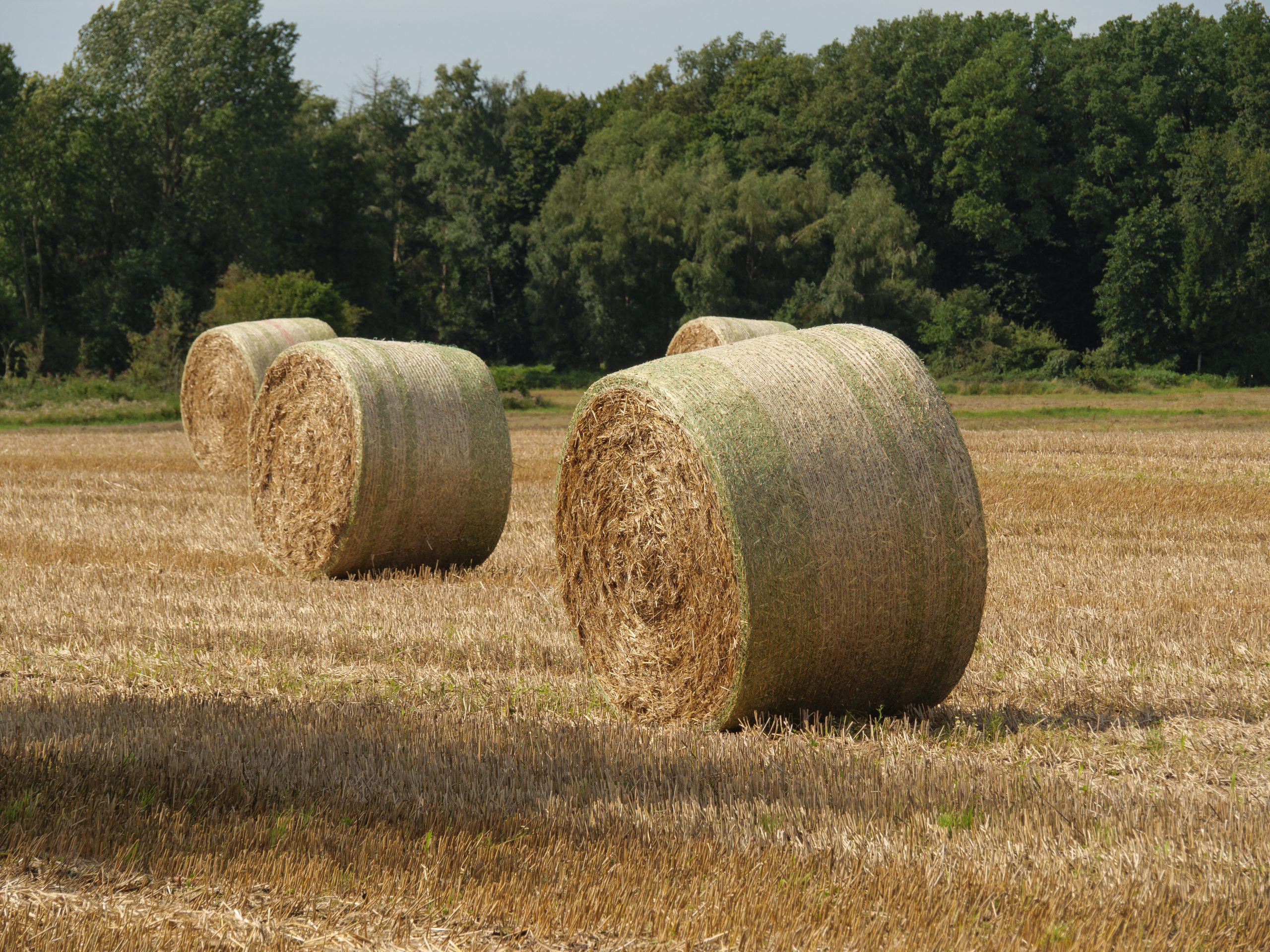
March might seem early, but in farming, preparation is everything. Take the time now to get ready, and you’ll be thanking yourself when you’re stacking quality bales this summer.
Happy farming, and here’s to a bountiful hay season ahead!