Get Ready for a Productive Season
As the days lengthen and winter loosens its grip, small hay farm operators across the country turn their attention to spring prep. Whether you’re managing a few acres for livestock feed, selling to local buyers, or scaling up your operation, getting ahead now sets the stage for high-quality hay and efficient harvests.
At Small Farm Innovations, we specialize in compact, reliable forage equipment designed specifically for small-scale producers. From mini round balers and innovative rakes to easy-to-use mowers and our patented PTO adapters, we help farmers nationwide turn modest setups into productive hay operations. Here’s a practical guide to preparing your hay fields and gear for spring success.
- Assess and Optimize Your Fields Early
Spring hay success starts with healthy soil and strong stands. Late winter or very early spring is the ideal time to lay the groundwork.
- Test your soil: Grab a soil test kit or work with your local extension service to check pH, nutrients (nitrogen, phosphorus, potassium), and organic matter. Target a pH of 6.0–7.0 for most hay crops like alfalfa, timothy, or orchardgrass. Apply lime or other amendments as recommended—these take months to fully integrate, so don’t wait until growth kicks in.
- Scout for issues: Walk your fields to spot winter heaving, erosion, thin spots, or early weed pressure. Address problems promptly with targeted fixes, like overseeding thin areas or planning pre-emergent weed control.
- Rejuvenate or reseed strategically: If pastures look worn, consider no-till overseeding or full renovation once the ground firms up (avoid working wet soil to prevent compaction). Choose varieties matched to your region’s climate and needs—drought-tolerant grasses or legumes can boost resilience and yield.
- Fertilize smartly: Use soil test results to apply balanced nutrients just before active growth begins. Proper timing maximizes uptake, improves forage quality, and helps control costs on smaller operations.
- Service Your Equipment Thoroughly
Downtime during hay season is costly, especially when you’re handling everything yourself. Dedicate time now to inspection and maintenance.
- Clean and inspect: Remove old residue, dirt, and debris from mowers, rakes, tedders, and balers. Check for wear on belts, chains, bearings, and cutting components—replace anything showing cracks or excessive play.
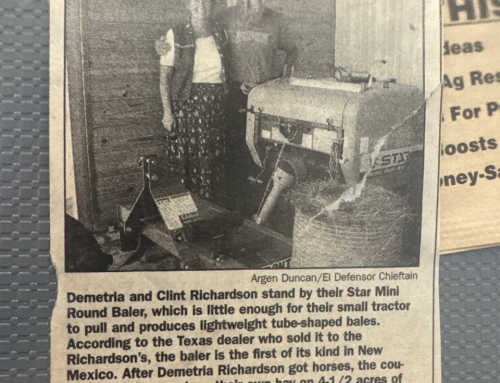
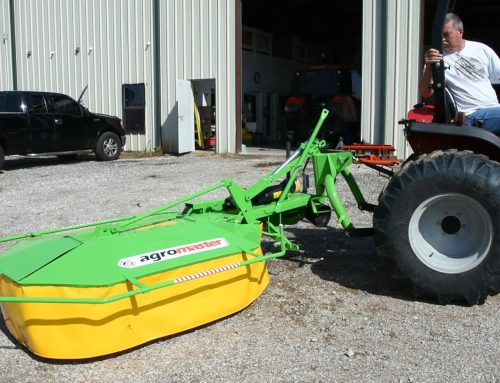
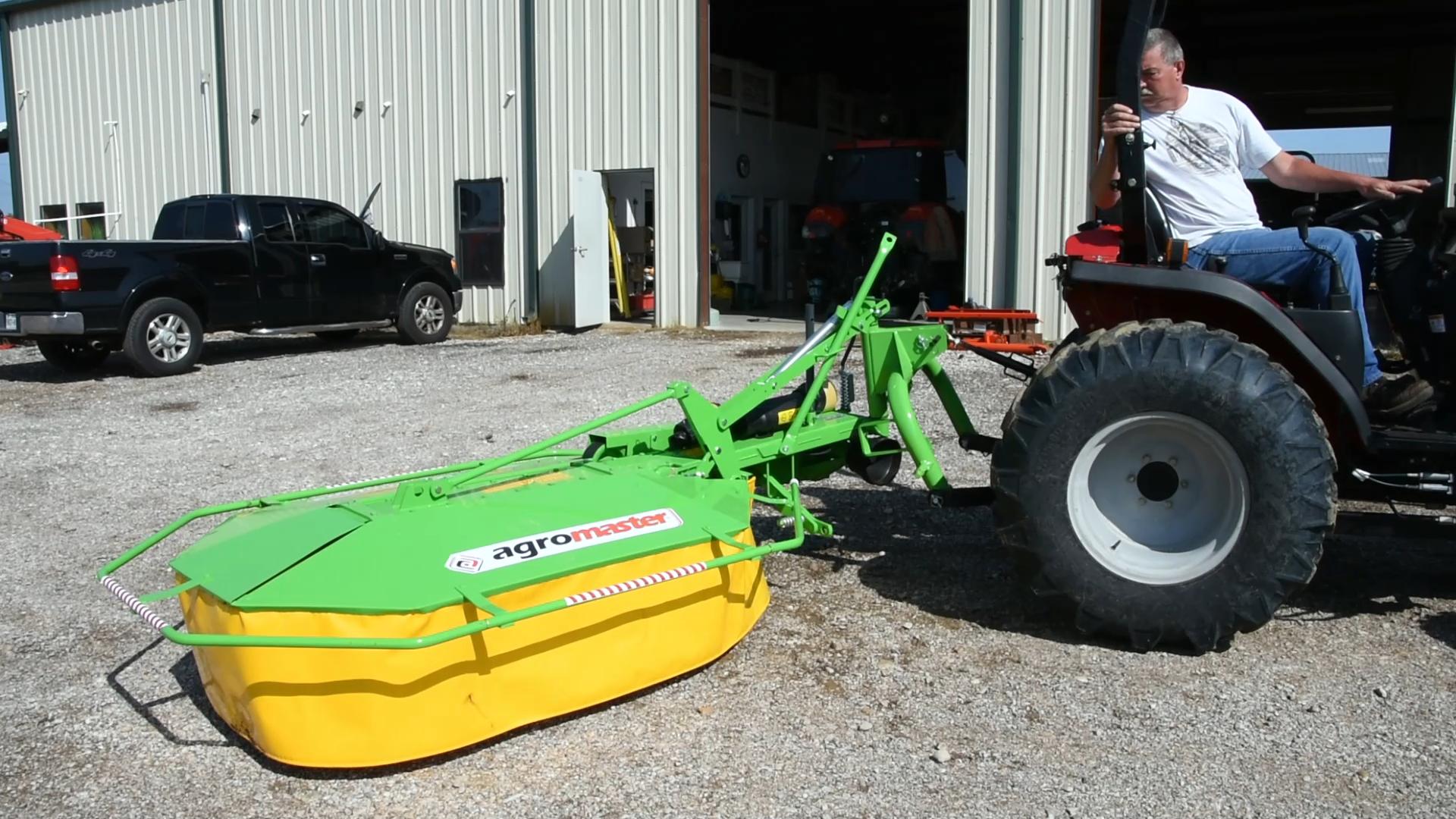
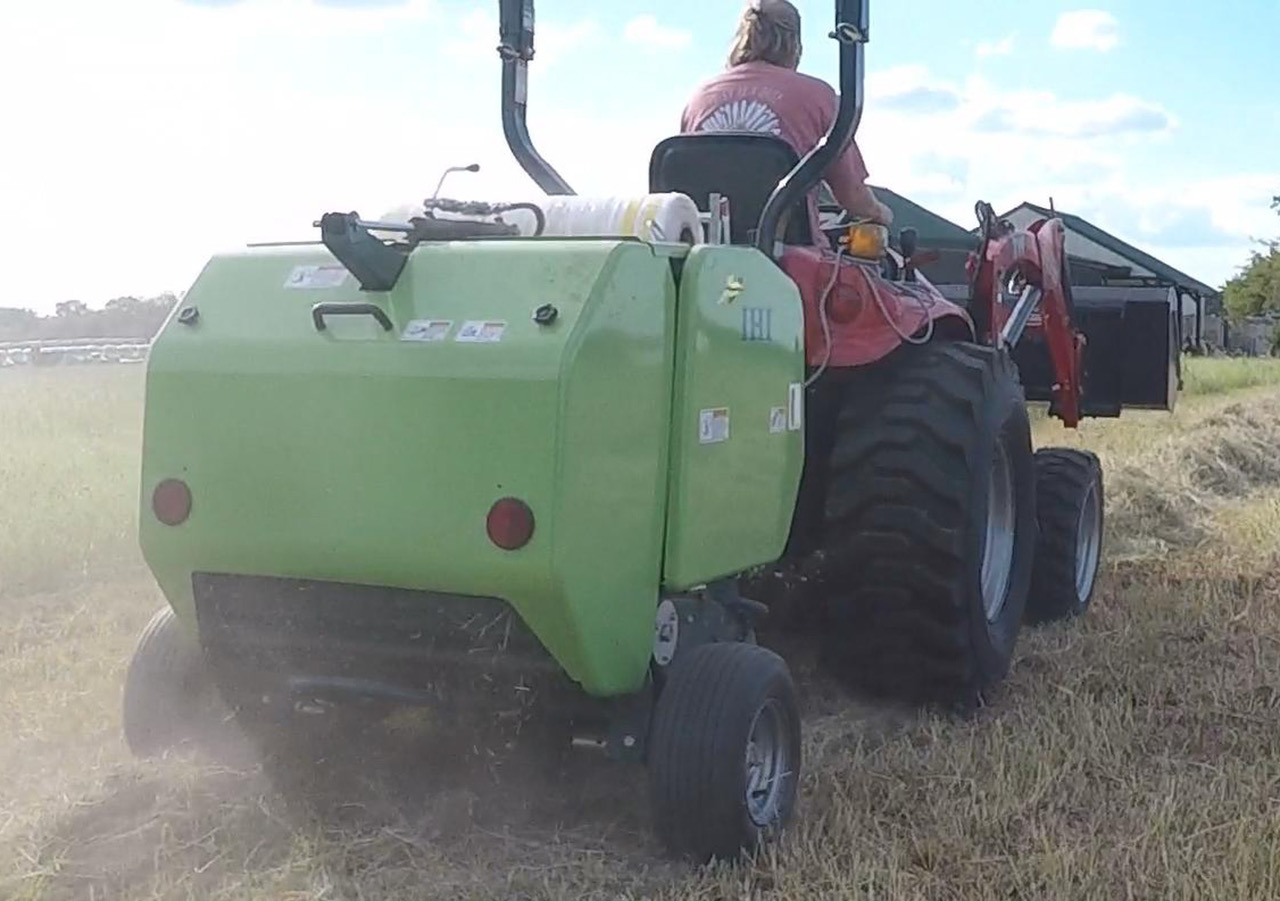
- Sharpen and adjust: Dull blades lead to ragged cuts, slower drying, and higher fuel use. Sharpen mower knives and calibrate balers for consistent, tight bales. For our compact equipment like the Takakita or Maschio Gaspardo round balers, proper settings ensure reliable performance even with smaller tractors.
- Full tractor and implement service: Change oils, filters, and fluids; grease all zerks; and test hydraulics and PTO systems. Our innovative SFI Patented PTO Adapter (patent #822728S) makes connecting implements quicker and less frustrating—perfect for small farms switching between tools.
- Test run: Fire up your setup for a short trial to catch any issues before the first cut.
Our hay packages—like the Weekend Rebel, Commander, or Harvest Pro series—are tailored to specific tractor HP ranges (from 20+ PTO HP upward), bundling compatible mowers, rakes, and balers for seamless operation.
- Plan Your Hay Season for Maximum Efficiency
Good planning turns preparation into profit.
- Schedule your cuttings: Time the first cut for peak quality—often at early bud stage for legumes or boot stage for grasses. Plan for 2–4 cuts depending on your climate and forage type, monitoring weather to avoid rain delays.
- Budget and market ahead: Estimate costs for fuel, parts, and any new gear. Many small operators sell directly to horse owners, livestock producers, or local markets for better returns—build relationships now.
- Manage risks: Stock up on pest management tools and prepare storage to keep hay dry and mold-free. If irrigation is part of your setup, ensure systems are ready for dry spells.
- Prioritize safety and support: Review gear safety features, wear proper PPE, and know your equipment’s limits. At Small Farm Innovations, we offer lifetime technical support and 24/7 availability to help troubleshoot anytime.
Final Thoughts: Set Up for Success
Spring prep is about more than checking boxes—it’s investing in a smoother, more profitable season. By focusing on soil health, equipment reliability, and smart planning, small hay producers can achieve excellent yields without massive machinery.
Ready to upgrade your setup? Explore our lineup of compact hay mowers, innovative gyro rakes, mini round balers, and custom packages at smallfarminnovations.com. We deliver nationwide and stand behind every piece with expert support.
Here’s to a bountiful hay season—contact us today at phil@smallfarminnovations.com or (979) 200-0766 to discuss what works best for your farm!