SMALL FARM INNOVATIONS
Practical Technology for the Working Farm · Hay Edition · May 2026
How AI is Transforming Hay Production for Small-Scale Balers
From cutting schedules to bale quality monitoring, AI is giving small hay operations the precision that only large agribusinesses could afford — until now.
By Phil @ Small Farm Innovations
I’ll be honest with you — I was skeptical about AI on the farm. I’ve been around hay long enough to know that no app is going to replace watching the sky or knowing your ground. But over the last couple of seasons, I’ve seen enough producers put these tools to real use that I had to take a closer look. What I found surprised me. Here’s what’s actually working.
01 — CUTTING & TIMING
Smarter Cutting Windows with AI Weather Forecasting
This is the one that got my attention first. We all know the pain of cutting on a good forecast and watching it rain on your windrows two days later. AI forecasting platforms now give you field-level, hour-by-hour humidity and precipitation outlooks up to 10 days out — not a regional guess, but something calibrated to your specific ground. They’ll even estimate dry-down time based on your crop type and swath width. I talked to a producer in the Hill Country last fall who said avoiding one rained-on cutting more than paid for his subscription three times over. On a 200-acre operation, that kind of mistake can cost you $8,000–$15,000 in a single event. It’s worth paying attention to.
02 — FORAGE QUALITY
Stand Assessment and Real-Time Bale Quality Monitoring
We actually tested two portable NIR sensors this season — one on bermudagrass, one on alfalfa — and I’ll tell you, I didn’t expect much. But the results came within 5% of certified lab values on protein and ADF. That’s close enough for on-farm sorting and a whole lot faster than waiting on a forage test. If you’re selling dairy-quality hay, being able to hand a buyer real numbers at the gate changes the conversation entirely.
On the stand side, AI-powered drone imagery can map weed pressure, thin patches, and disease before you ever drop the mower. I know not everyone is ready to fly a drone over their fields, but if you’re making replanting decisions or trying to stretch an aging stand another year, this kind of data is genuinely useful.
03 — EQUIPMENT
Predictive Maintenance and Baler Performance
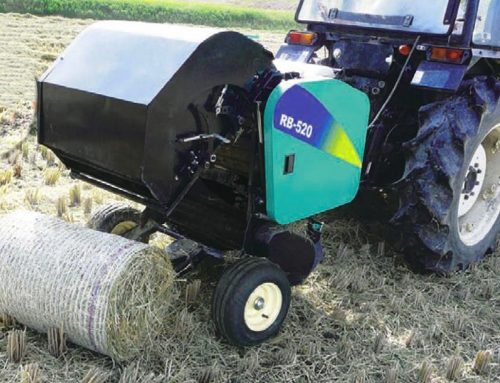
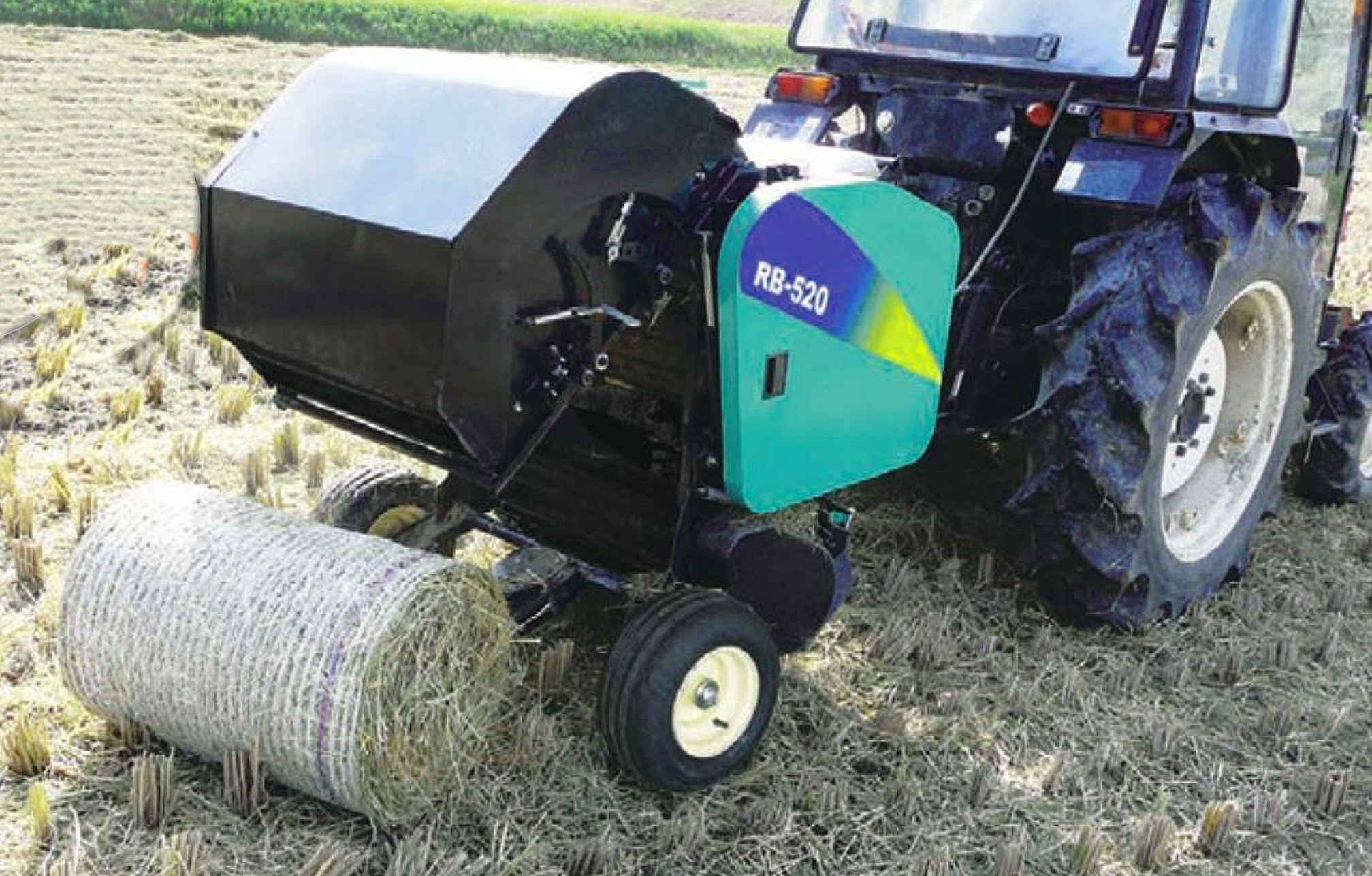
Nothing ruins a cutting window faster than a knotter failure at 2 in the afternoon with 80 acres left to bale. AI monitoring tools track belt tension, knotter behavior, and hydraulic data in real time and flag problems before they strand you in the field. Platforms like John Deere’s Operations Center do this natively, and there are aftermarket sensor kits that work on older equipment too. I’ve heard from producers running 20-year-old balers who say it’s the first time they’ve felt ahead of a breakdown instead of chasing one. That peace of mind alone is worth something.
Hay Production: The Numbers That Matter
| 58M Acres of hay harvested annually in the US | 15–25% Dry matter loss from rained-on hay | 3–5x Price premium for certified dairy-quality bales |
04 — MARKET & PRICING
Selling Hay Smarter with AI Market Intelligence
This one might be the most underrated tool in the bunch. Most small hay producers I know are selling on relationships and gut feel — which isn’t wrong, but it leaves money on the table when you don’t know what the market is actually doing. AI platforms pulling USDA AMS data can show you in real time what comparable hay is moving for within 100 miles of your farm. Combine that with price trend forecasting that factors in drought indices and regional cattle inventory, and you start to see when it’s worth holding versus selling. I’ve seen producers squeeze an extra $20–40 per ton just by waiting out a short regional shortage. On 500 tons, that math adds up fast.
My Two Cents
None of this replaces experience or common sense. But if you’re putting in the hours to grow and bale good hay, you deserve to have the best information available working for you. Start with one tool — the weather forecasting alone is worth it — and build from there. I think you’ll be surprised.
Questions or something working on your operation I should know about? Reach me at phil@smallfarminnovations.com — I read every one.