Seasonal Advice
August on the Farm: Your Late-Summer Game Plan, Region by Region
By Phil Livengood, Small Farm Innovations
Here in Texas, August means heat that sits on you like a wet blanket. But we ship equipment to farmers all over this country, and I've learned that August looks awful different depending on where you hang your hat. What's job one for a hay producer in Georgia isn't the same as what's keeping a grain farmer up at night in the Dakotas or a rancher busy out in the Great Basin. So this year I want to walk through it region by region — find your part of the map and let's talk about where to put your attention.
One thing worth knowing no matter where you farm: it's a dry year across a big chunk of the country. Heading into August, roughly 40% of the U.S. was in some level of drought, the heat's been running above normal about everywhere, and the folks who watch these things expect the northern Plains to keep drying out while the Southeast catches a break. Keep that backdrop in mind as we go.
The South & Southeast
If you're putting up hay anywhere from Texas to the Carolinas, your number-one job in August has a name: fall armyworms. They're the single biggest threat to your hay and pasture right now, and with the rain a lot of the South has caught, this is shaping up to be a rough year for them. They start tiny and do their damage before you notice, then can strip a green field to bare stems practically overnight and "march" right into the next one.
Scout every field every few days — early morning or late evening when they're up feeding. Look for a "windowpane" scraped look on the grass, spreading brown patches, and the worms themselves (with a tell-tale upside-down "Y" on the head). A common action threshold is around 2 to 3 worms per square foot; when you hit it, it's time to act. Check with your county Extension agent for the local call, and always follow the label's grazing and haying restrictions before you spray.
Beyond the worms: watch moisture on your late-summer cuttings (hay dries fast on top but stays tough underneath in this heat), keep shade and full water troughs for livestock, and start lining up cool-season forage — ryegrass, oats, or winter wheat — to seed in September and October. Here's the encouraging part: the outlook actually favors the Southeast easing out of drought this fall, and with El Niño setting up, you've got decent odds of a wetter, friendlier cool season for getting a stand established.
The Midwest & Great Plains
Corn Belt and Plains farmers, August is when your corn and soybeans are filling — grain fill and pod fill are the whole ballgame, and moisture right now is everything. Trouble is, the northern Plains and Upper Midwest have been drying out for weeks, with pockets of severe-to-exceptional drought showing up in places like western Nebraska. If you're dryland, you're managing what you've got; if you irrigate, prioritize those critical fill stages.
It's a patchy picture, though — some of the Upper Midwest caught heavy rain and even flooding, so if that's you, scout wet fields for disease. A few more August to-dos across this region:
- Take your third hay cutting when the weather gives you a window, and watch alfalfa for potato leafhopper.
- Keep an eye out for fall armyworms pushing up from the South — they reach the Midwest by late summer.
- Start prepping harvest equipment now, before the fall rush hits all at once.
- In the dry country, check livestock water sources daily — stock tanks and wells get stressed in a drought.
- Begin planning fall small grains and cover crops for late-season seeding.
The Northeast & Mid-Atlantic
Up in the Northeast, the story this summer has been water — heavy rains have pulled a lot of the region out of drought, which is good news for the well, but it makes for humid, disease-friendly conditions and tricky haymaking. If you grow tomatoes or potatoes, stay on top of late blight; the humidity that greens up your pastures also feeds the fungus.
For the hay crowd, the game in August is grabbing your dry windows when they come for that second or third cutting — don't let a bale go up wet just because the calendar says it's time. And because your season is shorter than ours down south, keep one eye on your first-frost date as you plan fall crops. A few things to line up now:
- Start fall brassicas and greens, and get cover crops seeded in the late-August window.
- Plan your garlic beds now for fall planting.
- Keep scouting pastures late in the season — armyworms can reach this far north before frost.
- You're at peak vegetable harvest — stay ahead of it so nothing goes to waste.
The West
The West is really two worlds, so find yours. Out in the irrigated interior — the Great Basin, the Desert Southwest, the intermountain valleys — August is about heat and water, plain and simple. Temperatures are running well above normal, so schedule your irrigation efficiently, run it early or late to beat the evaporation, and keep those alfalfa cuttings coming as heat and water allow. In arid rangeland country, your stock water is everything: check every source, because a dry tank in this heat is a real emergency.
It's also fire and smoke season across much of the West. Keep that in mind for livestock, for air quality on the worst days, and for keeping your hay stored safe and dry. Up in the Pacific Northwest and northern Rockies, it's leaning drier than normal — if you're bringing in dryland wheat, you know the drill; watch your moisture and your fire risk during harvest.
Two Things That Don't Care What State You're In
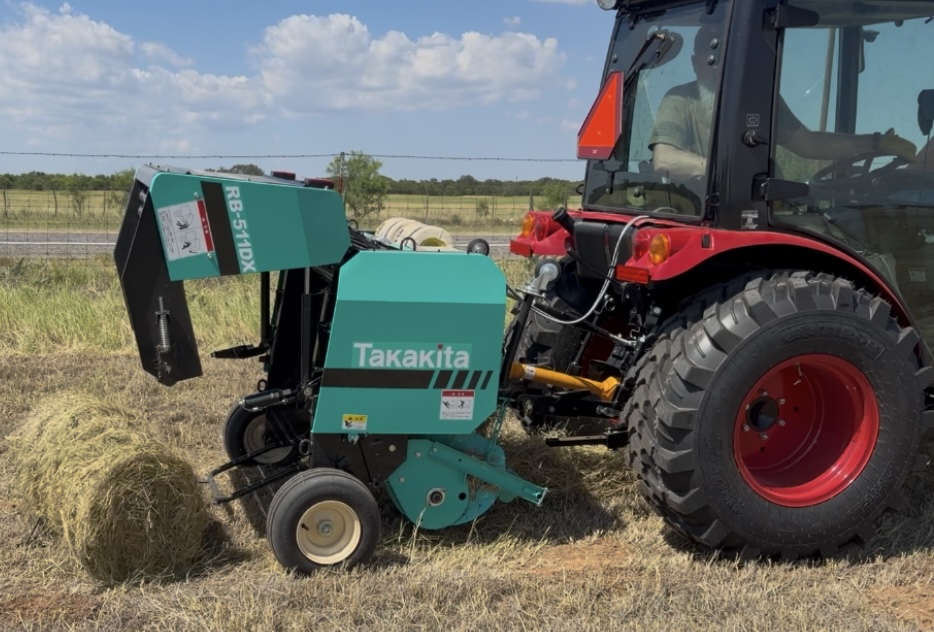
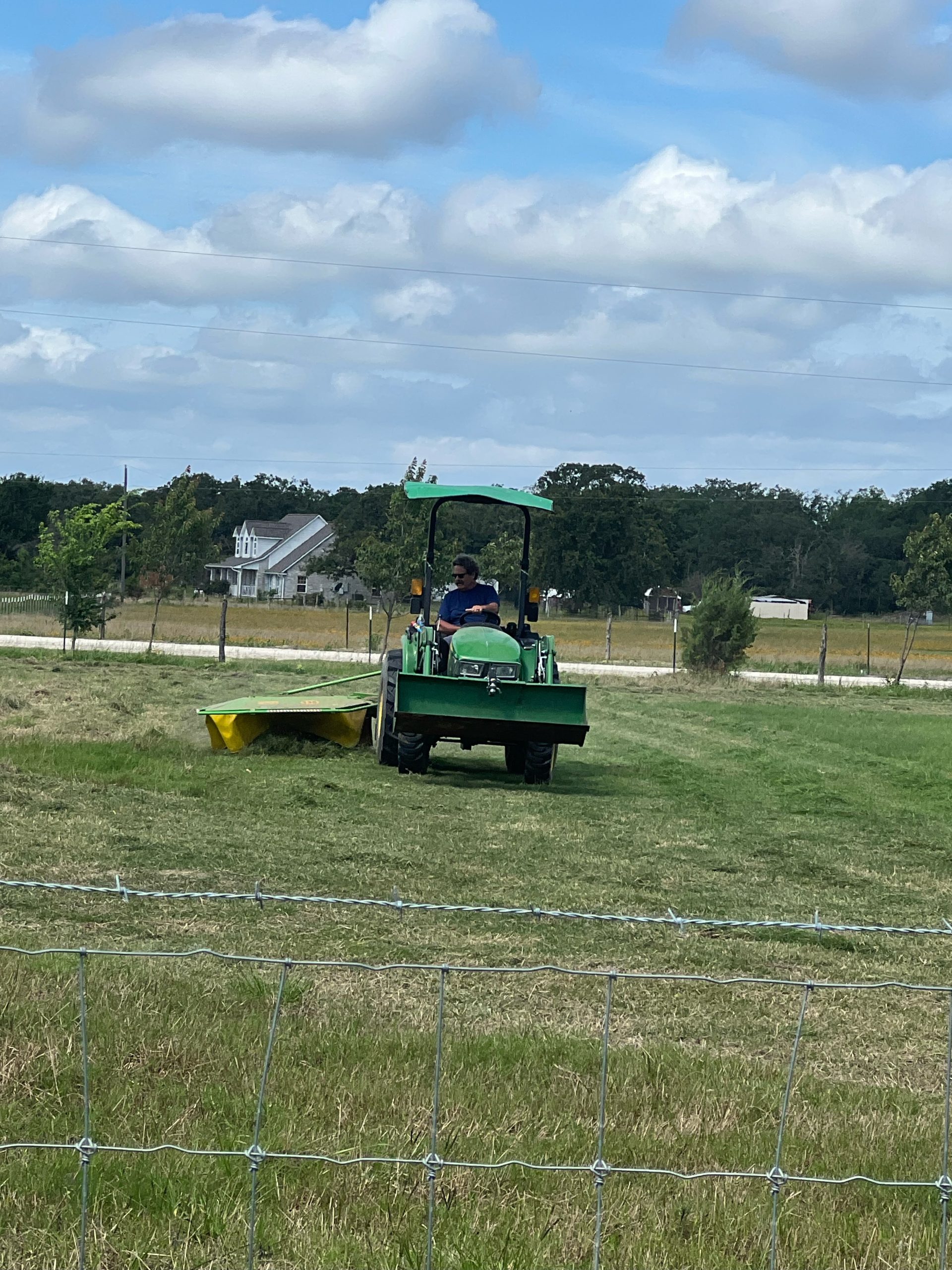
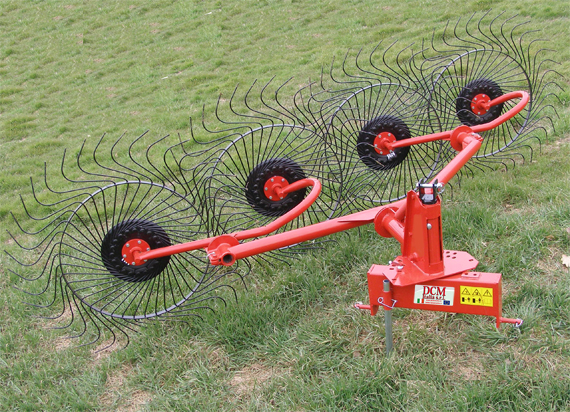
No matter where you farm, two jobs are on every August list. First, look after water and heat — for your crops, your forage, and especially your animals. Shade and full troughs aren't optional in a hot, dry year. Second, give your equipment a once-over before the fall push. Grease the hubs on your rake, check your baler belts and chains, look over your mower blades. Ten minutes of maintenance now saves you a lost day — and a lost weather window — later.
Do the right work for your region this month and you'll roll into fall in good shape. And if you've got a question about your hay operation, or you need a hand getting equipment ready for the season ahead, give us a call. We ship all over the country and we're always glad to talk it through — large to small, we cover it all.
Questions about your hay season?
Large to Small, We Cover It All
3701 TX-36, Caldwell, TX 77836 • info@smallfarminnovations.com
Mon–Fri 8a–6p • Sat 8a–12p • Financing & nationwide delivery available