Timing Is Everything: What New Hay Farmers Get Wrong About Baling
One of the biggest challenges facing anyone new to baling hay isn’t the equipment — it’s the timing.
We see it every year. Late in the season, equipment sales pick up for a predictable reason: customers who arranged for custom baling finally realize the person who was supposed to show up isn’t coming. By the time we get the call, the hay has been standing too long. It’s dry, brittle, and has lost most of its protein and nutritional value.
When that happens, we still get hay on the ground by the end of the day — that’s a guarantee we stand behind. But we’re honest with every customer in that situation: this cutting will likely be the worst hay they ever put up. Without their own equipment, they’re at the mercy of someone else’s schedule, and by the time that schedule catches up to them, the quality is already gone. Owning your equipment means owning your timing — and your timing determines your quality.
A Field Worth Fighting For
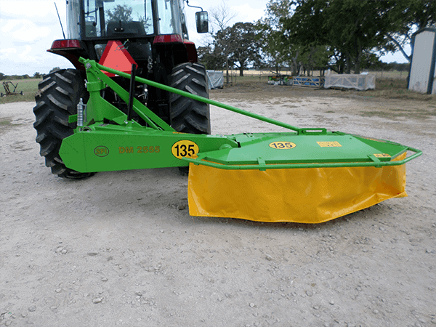
We recently delivered to a man who was new to owning land — a large hay field thick with mesquite and other woody growth, rough ground, and bone dry conditions. It was a battle for both of us. Woody vines chewed through the belts on our disc mower, and the 100-plus-degree heat had the baler’s control box throwing false signals all afternoon.
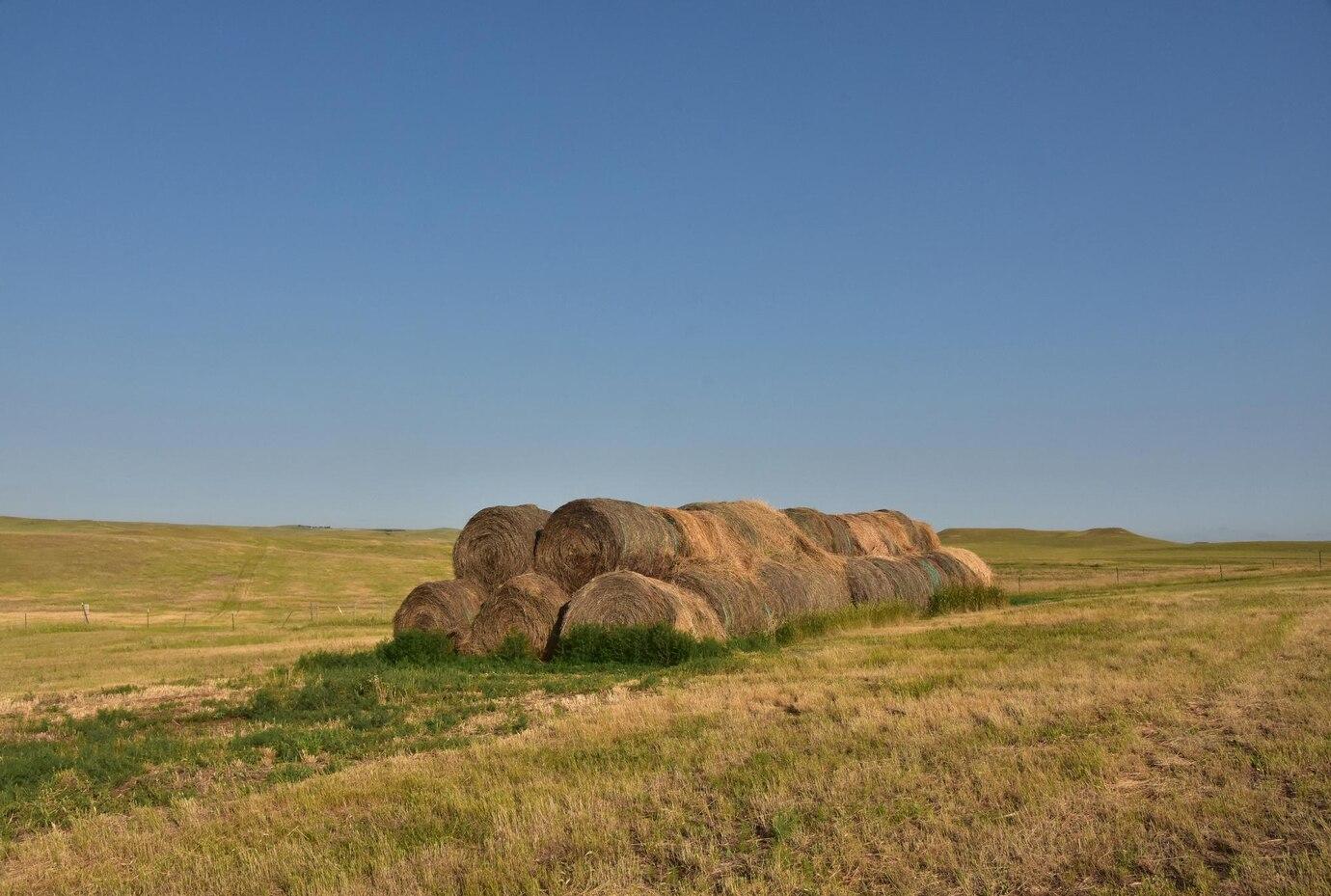
We swapped in a new set of belts and shifted the baling window to early morning and early evening, when the heat backed off enough for the equipment — and us — to work reliably. Once we adjusted, everything came together. He baled more than 60 3×3 bales in a single evening.
What Every New Hay Farmer Should Take Away
If you want good quality hay, the path is simple, even if the work isn’t:
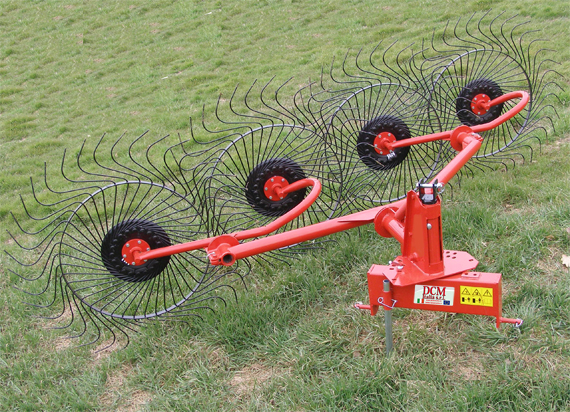
Get your own equipment, and learn to manage your hay field — become a grass farmer, not just a hay buyer. Buy early in the season, while dealers still have full inventory and can put together the right package of implements for your ground. Fertilize and control weeds as early as you can. Disk and level your fields during the off-season so you’re spending less operating time on your machines when it counts.
And count on us. At Small Farm Innovations, we don’t just sell equipment — we teach people how to bale hay. When we leave your farm, there will be hay in the field. Guaranteed.
Phil Livengood
President, Small Farm Innovations