From the Field
A Season-by-Season Guide for the Small Farm: What to Do and When to Do It
After enough years around hay fields and small tractors, you learn that farming isn't really about working harder — it's about working on time. The farms that stay ahead aren't the ones with the biggest equipment. They're the ones that do the right job in the right season, every year, like clockwork. So we put together the calendar we walk customers through all the time here at Small Farm Innovations: a practical, season-by-season rundown for small acreage operations.
Spring: Set the Table for the Whole Year
Everything you do in spring pays (or costs) you all the way through fall. The two big jobs are soil and steel — get your fields fed and your equipment field-ready before the grass takes off.
Soil test before you fertilize. A $15–$20 soil test through your county extension office will tell you exactly what your field needs, and just as importantly, what it doesn't. Guessing at fertilizer is the most expensive habit on a small farm. Most hay fields want their nitrogen right as the grass breaks dormancy — put it out too early and you're feeding weeds.
Walk your fields. Look for winter damage, armadillo digs, fire ant mounds, washouts, and anything else that will eat a mower blade later. Ten minutes of walking beats an afternoon of blade replacement.
Service equipment before you need it. Grease every zerk, check gearbox oil, inspect and flip or replace mower blades, check PTO shafts and shear bolts, and air up tires. The worst time to find a problem is the morning of your first cutting — and the busiest time to order parts is when everybody else finds theirs.
Spring quick list
Soil test → fertilize at green-up → walk fields for hazards → full equipment service → order wear parts early → control weeds before they seed.
Summer: Cut on the Grass's Schedule, Not Yours
Summer is where hay is won or lost. The single biggest factor in hay quality isn't your equipment or your fertilizer — it's timing. Grass cut at the boot stage (just before seed heads emerge) can carry nearly twice the protein of grass that's gone stemmy and mature. Every week you wait past prime, you're trading quality for tonnage.
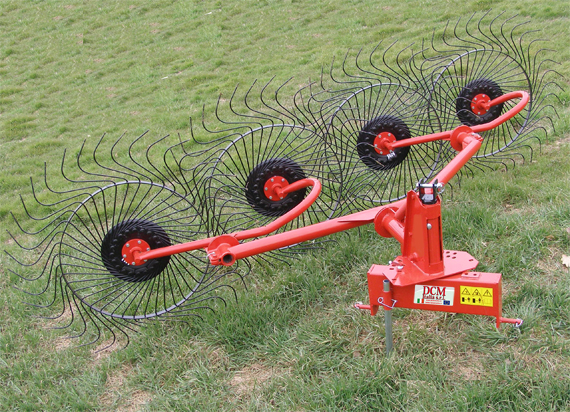
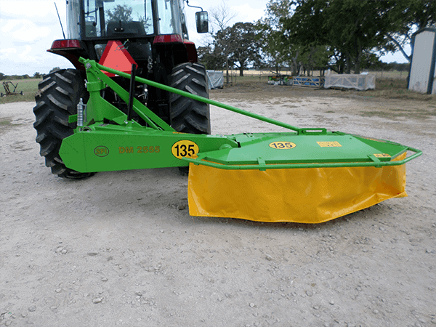
Watch the weather window, not the calendar. You want three to four clear days: cut, cure, rake, bale. A drum mower lays grass in a windrow that cures evenly, and a good rotary rake lets you fluff and turn hay to speed drying if a surprise shower is coming.
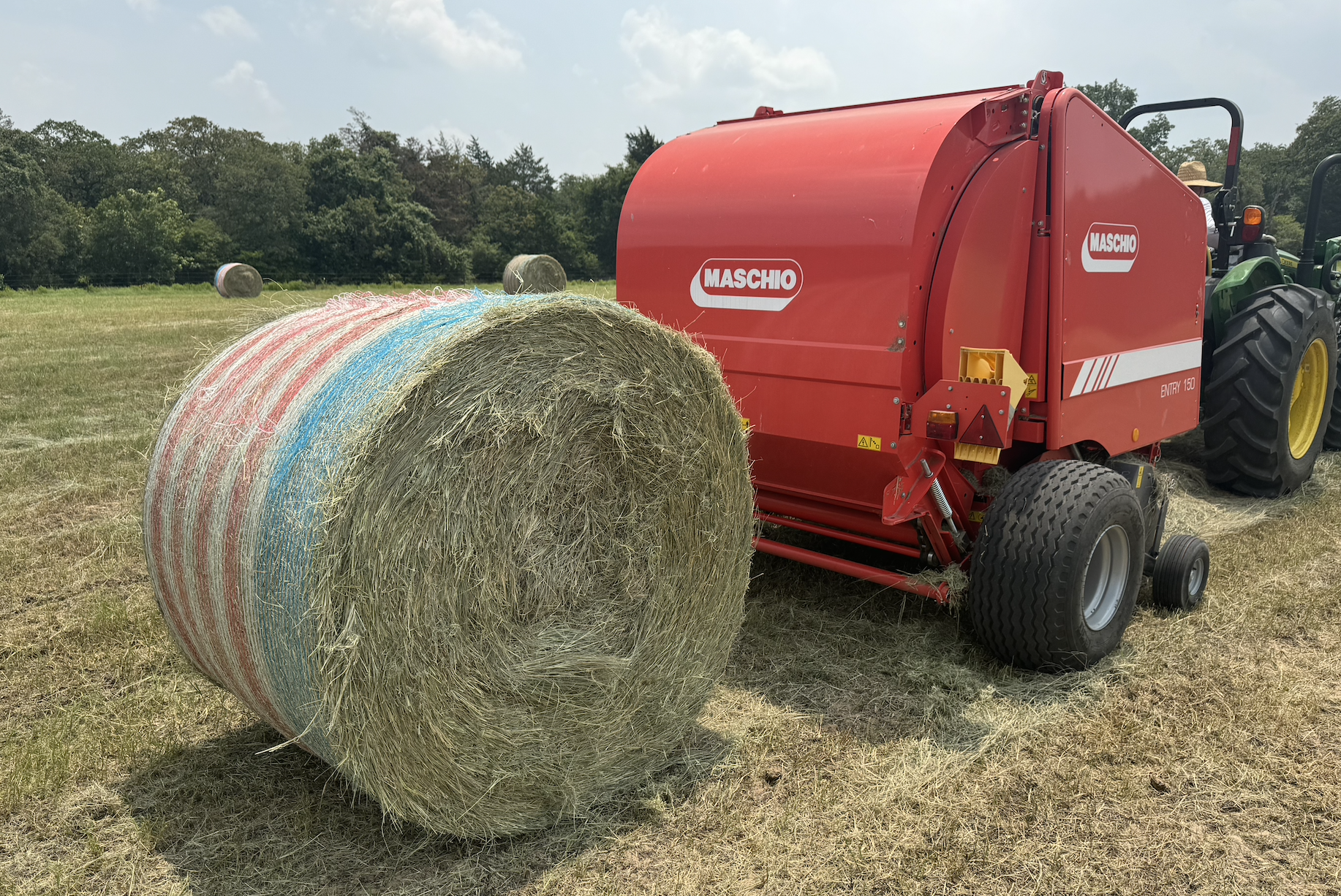
Bale at the right moisture. For small square bales, aim for 18–20% moisture or below; rounds want closer to 15%. Bale too wet and you risk mold — or in a barn, spontaneous combustion. A $50 moisture tester pays for itself the first season.
Grease daily during cutting season. When equipment is running every day in dust and heat, daily greasing of drums, bearings, and PTO shafts is cheap insurance. Keep spare blades, shear bolts, and net wrap or twine on hand so a five-dollar part doesn't cost you a five-day weather window.
Don't scalp in the heat. In a dry Texas summer, leave 3–4 inches of stubble. Cutting too low stresses the stand, invites weeds, and slows regrowth for your next cutting.
Summer quick list
Cut at boot stage → work in 3–4 day weather windows → check moisture before baling → grease daily → stock wear parts → leave stubble height in drought.
Fall: Bank Your Hay and Plant Your Winter
Fall is a planning season disguised as a working season. You're finishing this year and setting up next year at the same time.
Take your last cutting with recovery in mind. Give warm-season grasses like coastal bermuda four to six weeks of regrowth before first frost so the stand goes into winter with reserves. A field that's grazed or cut to the dirt in October is a field that comes back thin in April.
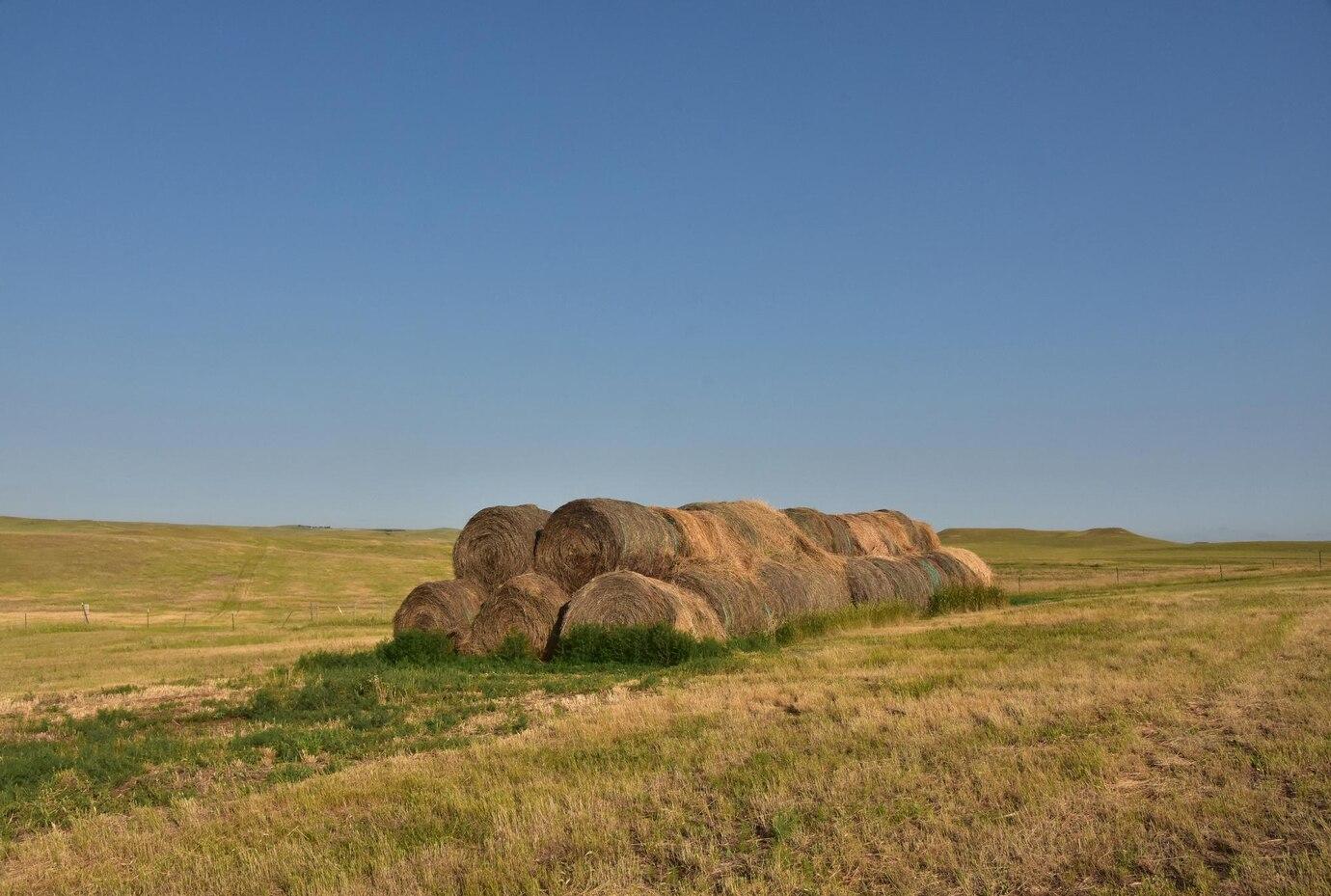
Store hay like it's money — because it is. Hay stored on bare ground can lose a quarter or more of its value to ground moisture and weather. Get bales up on pallets, gravel, or old telephone poles, and under a roof or tarp if you can. Net-wrapped rounds stored end-to-end in rows shed water far better than scattered bales.
Plant winter forage early. If you overseed ryegrass or plant winter oats or wheat, get seed in the ground while soil temps are still warm enough for a strong stand. Every week you wait in fall is grazing you don't get in February.
Fertilize cool-season grasses, not dormant ones. Nitrogen on winter forage pays; nitrogen on dormant bermuda mostly feeds winter weeds.
Fall quick list
Time the last cutting before frost → store hay off the ground and covered → overseed winter forage early → soil-test again if yields slipped → count your hay against your herd's winter needs.
Winter: The Season That Makes the Mechanic
Winter is when good operators get ahead. The field work is light, so the shop work should be heavy.
Do the deep service now. Change gearbox oil, repack bearings, replace worn blades and tines, inspect belts and PTO shafts, touch up paint on bare metal, and store implements out of the weather. A drum mower or baler that goes into the barn clean, greased, and repaired comes out in spring ready to work the first good day — not the third week of good days.
Order parts in the off-season. Blades, shear bolts, belts, twine, net wrap — winter is when supply is good and nobody's in a panic. Spring is when everyone calls at once.
Plan on paper. Sketch out next year's fertilizer plan, cutting targets, and any equipment upgrades. If your tractor spent the summer struggling with an implement that's too big for it — or you spent the summer doing by hand what a $4,000 implement does in an afternoon — winter is the time to figure that out, not June.
Feed hay smart. Use ring feeders or unroll rounds in a different spot each time to spread manure and reduce waste. Feeding hay on the same mud hole all winter can waste a third of every bale.
Winter quick list
Deep-service and store equipment → order wear parts early → plan next year's fertility and cuttings → feed hay with minimal waste → size up equipment needs before spring.
The Common Thread: Do It Before You Have To
If there's one lesson in all of this, it's that every season's biggest job is really preparation for the next one. Fertilize before the grass needs it. Service equipment before it breaks. Order parts before the rush. Store hay before the rain. Small farms don't have the margin to do things twice — but they absolutely have the flexibility to do things on time.
Not Sure Your Equipment Is Ready for the Season?
From drum mowers and rakes to balers sized for compact tractors, the team at Small Farm Innovations can help you match the right equipment to your acreage — with lifetime technical support after the sale.
Browse Our EquipmentSmall Farm Innovations — Caldwell, Texas. Exclusive U.S. distributor of Takakita & IHI equipment. Nationwide delivery, financing available, and lifetime technical support on everything we sell. Questions about your operation? Reach out — we're happy to talk it through.